
Email: The productivity killer
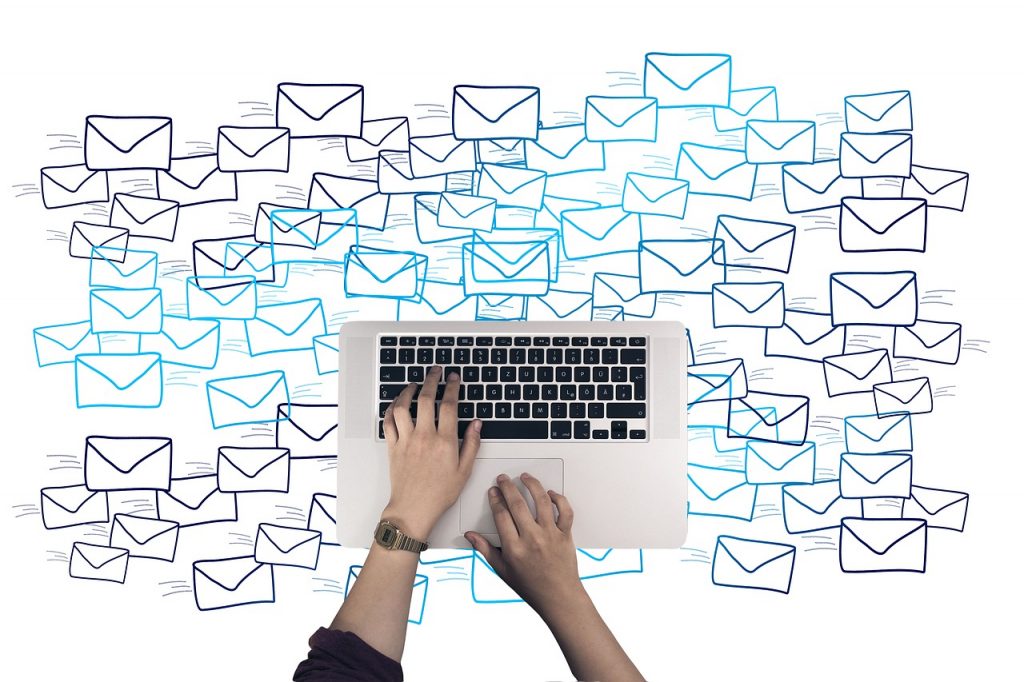
Remember when email was new and novel, and everyone thought it would vastly improve communication while freeing up time? It did improve communication on some levels and freed up employee time at first. Now, however, email has become a productivity killer.
Workers have to wade through hundreds of emails in their inbox each day, and many people choose to deal with email as it comes in rather than all at once. This takes the focus off their work and makes it difficult to concentrate on their tasks.
So why is email such a productivity killer?
The problem with email
 A significant issue with email is that workers tend to feel that they have to read and respond to every work email immediately. This means that they never stay fully focused on any one task because they’re often waiting for more emails.
When emails do come, employees stop their work, focus on the email, deal with the content it contains, and craft a response. Then they go back to work, but it can take time to switch their brains back and forth between email and their previous task.
Ever heard of attention residue? That’s a phrase coined by Sophie Leroy after two experiments showed people’s productivity dropped when they moved back and forth between tasks, rather than focusing on one at a time. It refers to the tendency to have thoughts about a previous task in your head even as you move to another task, which makes it more difficult to complete the new task.
So what can a small business owner do?
Switch to other communication methods
 Not everything that needs to be said should be communicated through email. Issues that require back and forth should likely be dealt with either in person or through the phone. Likewise with topics that require an immediate response. Documents that are being reviewed by multiple people should be done through Google Drive, Dropbox or another format. This ensures everyone sees the most recent version of the document each time they open it.
Create a list of the types of communication your organization uses and develop guidelines for using them. List the circumstances under which each method of communication should be used and follow it. Be very clear about when and how those communication methods can be used.
Get email under control

By setting limitations to when email can be used within your company, you’re already limiting the amount of emails your workers deal with. That’s a great step.
Encourage employees to set aside dedicated email time during the day—say once in the morning and once in the afternoon—to deal with their emails, rather than checking on an ongoing basis. If that’s not practical for your company, encourage them to check every so often (once every two hours, maybe) or only between tasks. This limits attention residue and encourages them to focus on the task at hand.
Have your workers turn their email notifications off so they aren’t distracted as each new email reaches their inbox.
Final thoughts
Email can be a productive and useful means of communication, but not if it’s constantly pulling your employees’ attention away from work and draining productivity. Setting guidelines for its use, finding other effective methods of communication, and decreasing the risk of distraction will help your employees better deal with their inbox.